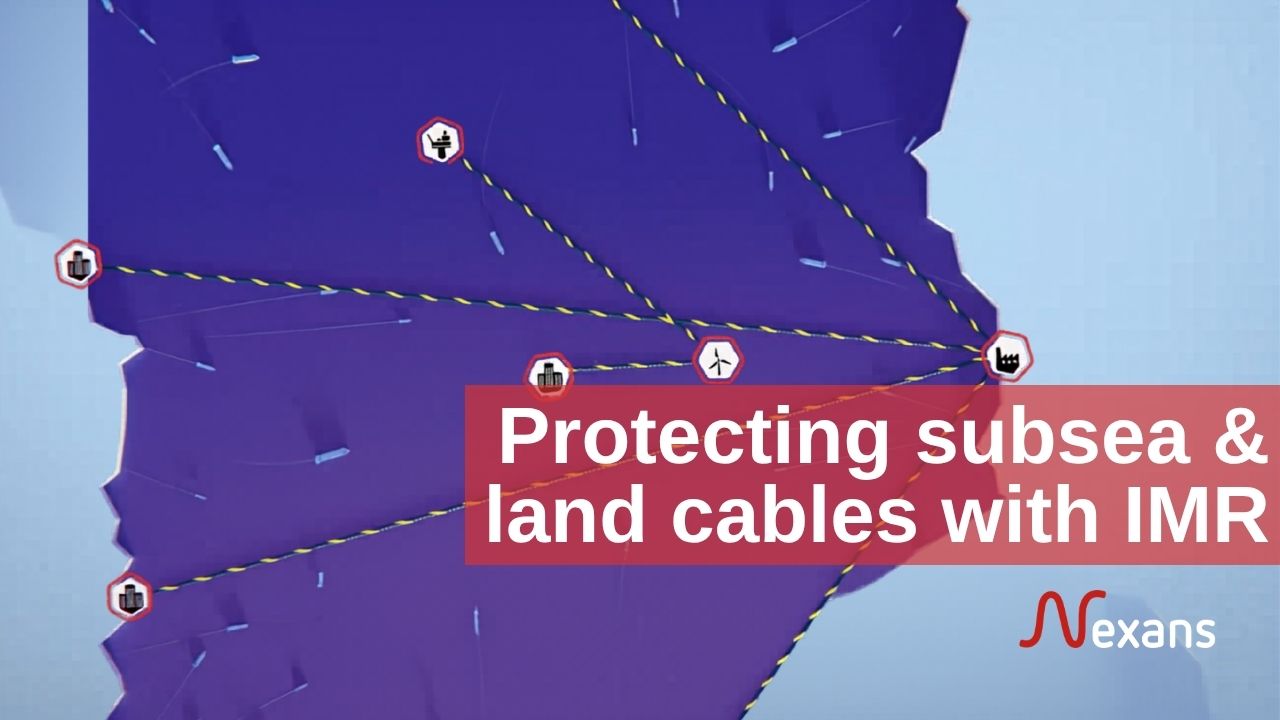
Under the surface of our seas lies a growing, hidden network powering modern life. Subsea power cables stretch over thousands of kilometers, connecting offshore wind farms to national grids and enabling cross-border energy exchange. These cables are the invisible lifelines of the global energy transition, carrying clean, reliable electricity to homes, industries, and critical infrastructure worldwide.
As dependence on renewable energy grows, the security and resilience of these cables is a top priority for transmission system operators and energy developers. A single cable failure can immediately disrupt offshore wind operations and interconnectors, leading to severe financial and operational consequences. Studies indicate that around 80% of subsea cable outages are caused by external factors, including fishing gear, ship anchors, or natural events such as storms and landslides (ESCA/IMCA, 2025).
Preparedness is therefore critical. With decades of subsea cable expertise, Nexans offers Inspection, Maintenance and Repair (IMR) services designed to reduce downtime, mitigate risks, and protect critical energy infrastructure worldwide.
A growing demand for reliable power transmission
The rapid growth of offshore wind and cross-border interconnectors is reshaping energy systems worldwide. Subsea cables are now essential for transporting renewable electricity efficiently and reliably.
- Offshore wind capacity is increasing globally, with projects spanning Europe, Asia, and North America (IRENA, 2024).
- Cross-border interconnectors allow countries to balance supply and demand while integrating renewable energy.
- The global subsea cable market is expanding to meet growing electricity demand, with networks extending thousands of kilometers.
Cables are often installed in busy maritime areas and harsh environments, exposing them to external damage. Operators require robust strategies to maintain uptime and quickly respond to incidents.
Securing critical power infrastructure
Subsea cables face multiple operational risks that can disrupt power transmission:
- External threats: anchors, fishing gear, maritime traffic.
- Natural hazards: seabed movement, storms, landslides.
- Operational constraints: aging assets, limited repair capacity, and shortages of skilled jointers and marine engineers.
A single cable failure can lead to:
- Power outages for offshore wind farms and interconnectors.
- Interruptions in electricity exchange between countries.
- Significant financial losses, sometimes millions of euros per day (ESCA, 2025).
Downtime without a prepared contingency plan can last up to one year, emphasizing the need for proactive inspection, preventive maintenance, and rapid repair.