





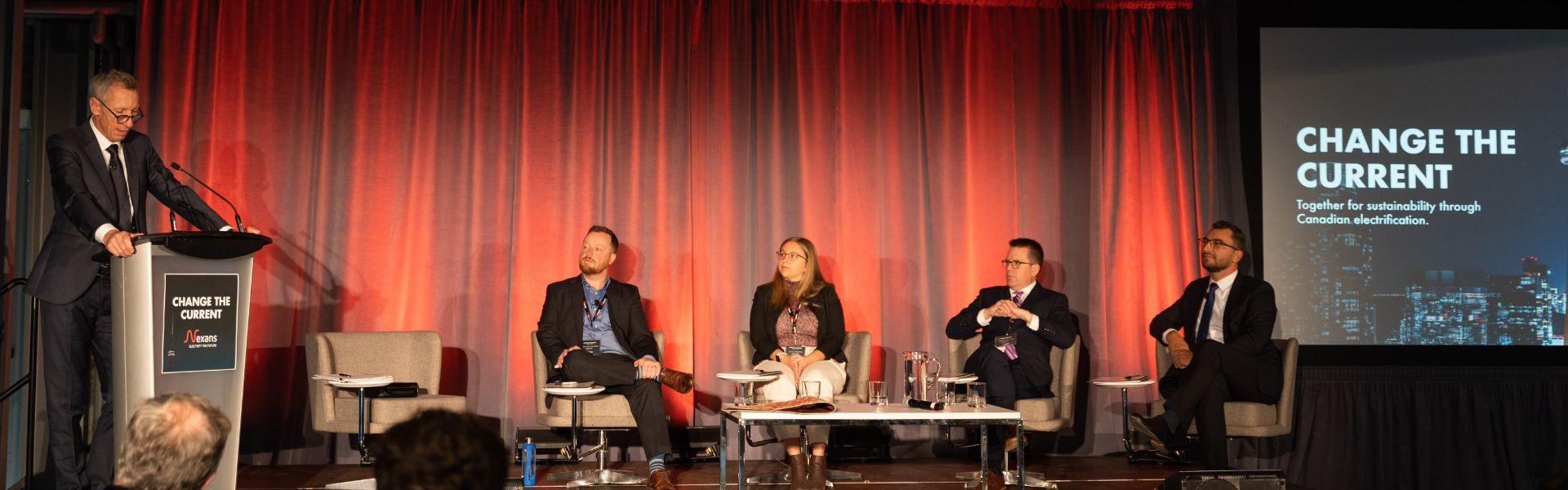
Demand for electricity continues to grow across Canada, posing several challenges that could significantly impact Canadians. That’s the biggest takeaway coming out of a gathering of climate change, sustainability and net zero experts in Toronto last week, who discussed Canada’s uncertain future when it comes to renewable energy and electrification.
At Change the Current: Together for Sustainability through Canadian Electrification, host and organizer Nexans Canada challenged industry to join the company to make decarbonization a priority, and to address the opportunities and challenges Canada has before it when it comes to electrification.
Key takeaways from discussions about global copper scarcity and the circular economy, carbon neutrality, and renewable energy are:
- Canada’s climate targets require a switch from fossil fuels to electricity coming from, renewable sources.
- Most products that use fossil fuels today will need to be electrified – vehicles, homes, offices, buildings, even planes, which will increase worldwide demand for copper. An EV requires about ten times more copper than a gas-powered vehicle.
- Copper is the backbone of electrification, however mined copper cannot meet anticipated demand. An industry-wide commitment to retrieving recycling copper cabling is required. This can be facilitated by designing products and buildings with end of life in mind so the metal can easily be recovered, recycled and reused (circular economy).
- It’s estimated demand for copper, one of the best conductors of electricity, will outstrip global supply in just two years. The U.S. is already consuming more copper than it is producing.
- Canadian copper can help address the impending global copper shortage and get Canada into the net zero grid race if industry’s commitment to retrieving copper is strengthened.
- Recycled copper is much more efficient in terms of greenhouse gas emissions than virgin copper.
- Outdated power utility infrastructure across Canada will be inadequate to support increasing demand for electricity, which is expected to more than double by 2050.
- Governance, administration and regulation of electricity systems are lacking.
- In general, existing electrical infrastructure are simply maintained, not expanded or upgraded for future demand.
- Some utilities are already implementing net zero into their planning function.
- Sophisticated stakeholder understanding and public engagement is essential in gaining support for investing in massive capital expenditures that will take Canada to 2050 and beyond.
Change the current
A morning of exploration about the impact we can make when we fight climate change. Together for sustainability through Canadian electrification.
Latest news
CSR
11 March 2026
Nexans continues to advance sustainable electrification with progress in climate action, circular economy and responsible practices. Discover the 2025 Sustainability Highlights.
Project
03 February 2026
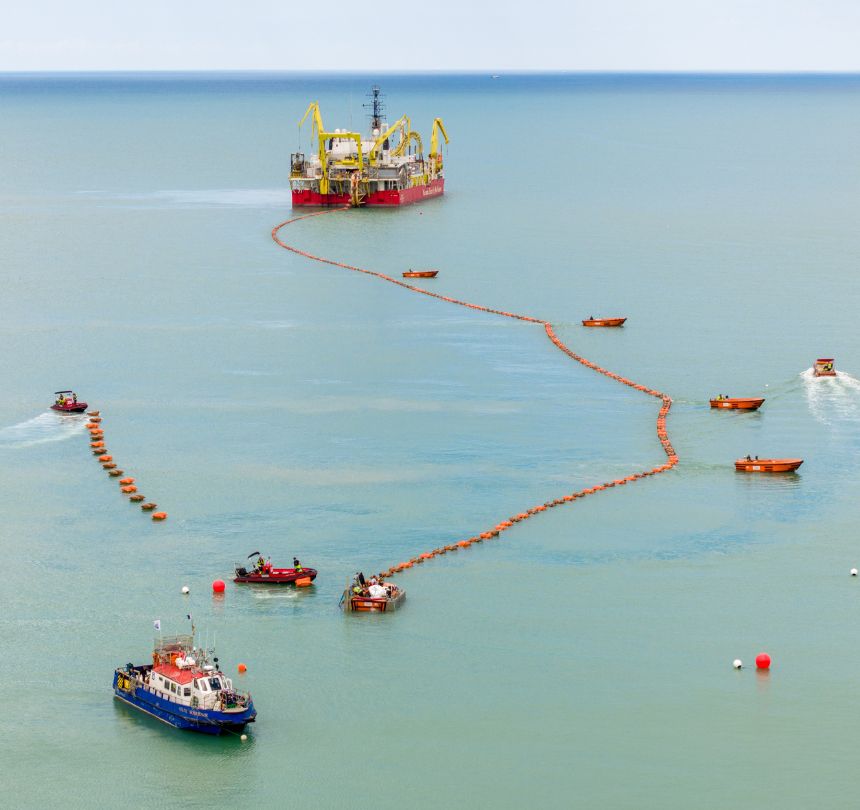
Nexans has officially handed over the 225 kV export cable system for the Dieppe–Le Tréport offshore wind farm to RTE, completing four years of execution. The system is now operational, with Nexans entering the long-term maintenance phase, supporting France’s offshore wind development and energy transition.