Sustainability governance

Sustainability embedded into Nexans’ governance

To guide the Group toward achieving our sustainability goals, we have set up a dedicated Sustainability governance structure. It works to ensure that our financial performance comes with positive environmental and social impacts.

This multi-level governance structure includes the following groups and roles:

Board of Directors

The Board of Directors’ role is to validate Nexans’ sustainability strategy and roadmap and review implementation and results at least twice a year, together with the Strategy and Sustainable Development Committee.

Board committees

The Board Committees are established to assist the Board of Directors in governance oversight:

  • Strategy and Sustainable Development Committee: reviews multi-year strategic orientations, climate objectives, and non-financial performance. It examines strategic plans, business portfolio, strategic investments/divestments, and external growth projects. It also monitors ESG strategy implementation and performance;
  • Accounts, Audit and Risk Committee: oversees impact, risk, and opportunity management, internal control systems, and regulatory compliance. It reviews non-financial reporting, assesses the reliability of sustainability information systems, and monitors the preparation process of sustainability disclosures.

To reinforce ESG governance, since 2023, Nexans has held joint sessions between the Accounts, Audit & Risk Committee and the Strategy & Sustainable Development Committee. These joint sessions are dedicated to assessing CSRD implementation focusing on the double materiality assessment (DMA) process and its outcomes ensuring integration into the Group’s risk management and strategic decision-making. In 2024, two joint sessions were held, followed by one additional session in July 2025.

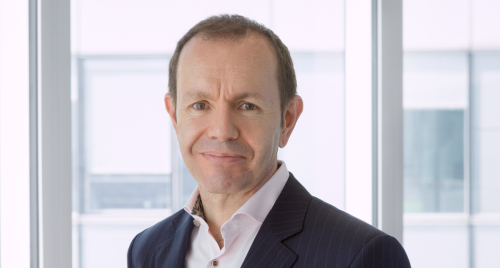
Marc Grynberg

Climate Director

The Climate Director, Marc Grynberg since 2022, oversees and monitors the Board’s consideration of climate and environmental implications in its decision-making. Responsibilities include:

  • oversight of the climate and environmental roadmap;
  • monitoring action plan implementation;
  • guiding communication strategy on climate topics;
  • stakeholder engagement.

Executive Committee & Central department

The Executive Committee identifies, reviews and approves sustainability-related matters. Its responsibilities include:

  • defining the sustainability strategy to be integrated into the Group’s strategy
  • defining the sustainability roadmap and monitoring progress
  • assessing results
  • supporting the E3 performance model
  • keeping informed of regulatory changes.

Chief Executive Officer
The Chief Executive Officer (CEO) plays a pivotal role in driving sustainability initiatives and ensuring that ESG priorities are central to the Company’s long-term strategy. This strategic commitment is exemplified by the development of E3, Nexans’ proprietary business operating model built on three pillars: Environment, Engagement & Economic.

Chief Human Resources & ESG Officer
In addition, Nexans has elevated sustainability to a strategic function through the role of the Chief Human Resources & ESG Officer, who is a member of the Executive Committee. This dual responsibility ensures that ESG considerations are fully integrated into human resources policies, organizational culture, and strategic decision-making. It also highlights the Group’s holistic approach to sustainability, recognizing the interconnectedness of environmental, social, and governance factors in creating long-term value.

ESG Committee
A dedicated ESG Committee, chaired by the Chief Legal & Corporate Development Officer & Secretary General, and the Chief Human Resources & ESG Officer, ensures alignment of sustainability ambitions with operational execution. The Chief Operations Officer participates in discussions related to operations. The main missions of the ESG Committee include:

  • developing and updating environmental, social, and ethical policies tailored to the industry and organizational objectives;
  • aligning policies with the General Management Procedures and evolving global standards and regulations, reflecting the Group’s commitment to transparency, accountability, and ethical conduct;
  • identifying and evaluating ESG-related risks and mitigation actions;
  • monitoring ESG Scorecard indicators and roadmap to ensure alignment with set targets.

Vive-President of Sustainability
To support this strategic integration, Nexans has appointed a Vice President of Sustainability, whose central role is to facilitate effective communication between internal and external sustainability stakeholders, the executive team, and the Board of Directors. This ensures that material ESG topics are raised, addressed, and monitored at the highest levels of the organization.

Operations

To implement and drive actions linked to the Group’s impact, risk, and opportunities, Nexans has dedicated operational working groups, functions, and committees:

  • Planet Project Team: chaired by the Vice President of Sustainability, head of the Sustainability Department, who has dual reporting to the Group Chief Financial Officer and to the Chief Human Resources & ESG Officer, both members of the Executive Committee. This team executes the sustainability roadmap and drives organizational engagement;
  • Functional Operational Committee: includes sustainability leaders from various corporate functions, including industrial, sales, purchase, R&D, and ESG. It ensures sustainability plans are executed within each function and embedded in daily operations;
  • Business Regions: responsible for implementing the sustainability roadmap locally. They are incentivized to meet sustainability targets and are accountable for their impact on the Group’s performance. This ensures tailored execution of sustainability initiatives across all business units.