




The world already runs on DC; Nexans makes the switch simple, safe, and ready to install
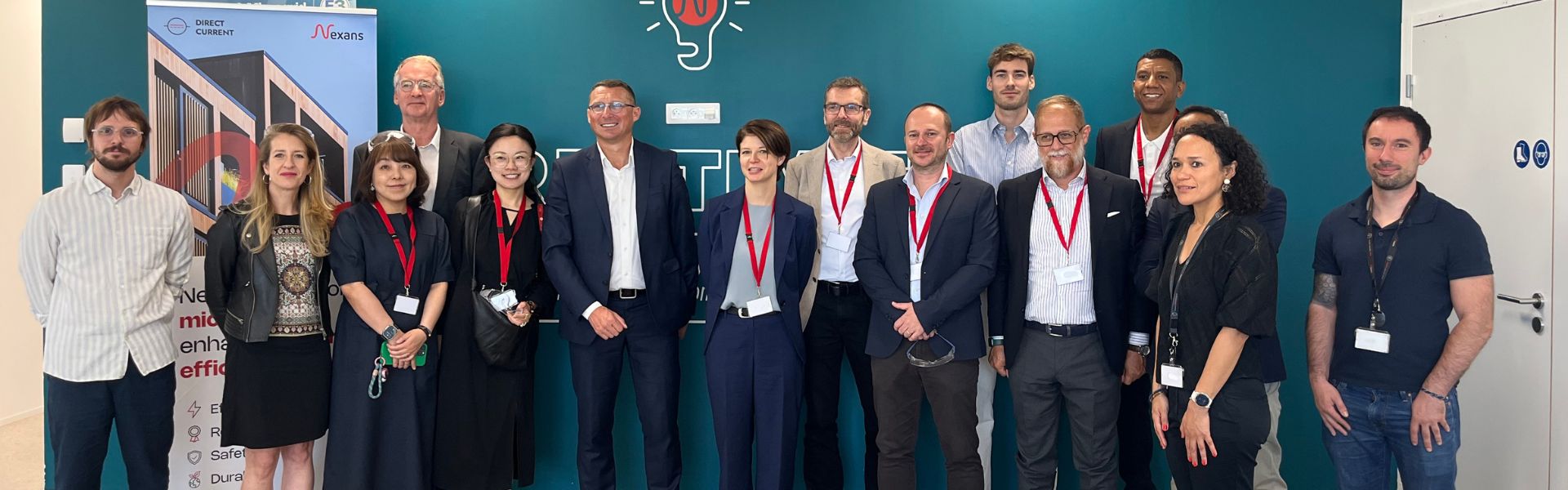
When the modern electrification ecosystem comes together, innovation becomes tangible. This was clearly demonstrated at the July 21, 2026 Innovation Showcase, a key milestone for the DC ecosystem, held at Nexans’ AmpaCity R&D center in Lyon. Bringing together energy leaders around direct current (DC) applications in buildings, this event demonstrated far more than technological advances: it reaffirmed Nexans’ role as a key player in the electrical infrastructures essential to the energy transition.
AC grids at their limits: Why buildings are moving to direct current
70% of devices in a building already operate natively on direct current, even as legacy grids continue distributing power in alternating current (AC). The modern electrification of buildings is accelerating at an unprecedented pace, driven by the proliferation of electronic loads, energy storage systems, and electric vehicle charging stations. Facing this shift, our historical alternating current (AC) grids are reaching their limits.
Maintaining AC distribution requires multiple energy-intensive conversion steps, resulting in losses of up to 20%. This is where direct current (DC) emerges as the essential technological breakthrough: it eliminates these unnecessary conversion chains, simplifies cabling with a DC bus architecture connecting all loads and sources, enables seamless renewable energy integration, and delivers enhanced resilience.
Expert insights: A shared vision to accelerate adoption
The momentum was set during the morning’s highlight, the “DC Vision Session,” born from the convergence of key ecosystem players. More than just a panel discussion, this session highlighted a shared ambition: combining expertise to accelerate the transition to direct current.
From complementary roles to technical challenges, these decision-makers share a single roadmap.
Testing our solutions in real-world conditions is at the core of our approach: this is how we develop reliable, interoperable technologies that guarantee performance and safety while preparing tomorrow’s infrastructure.
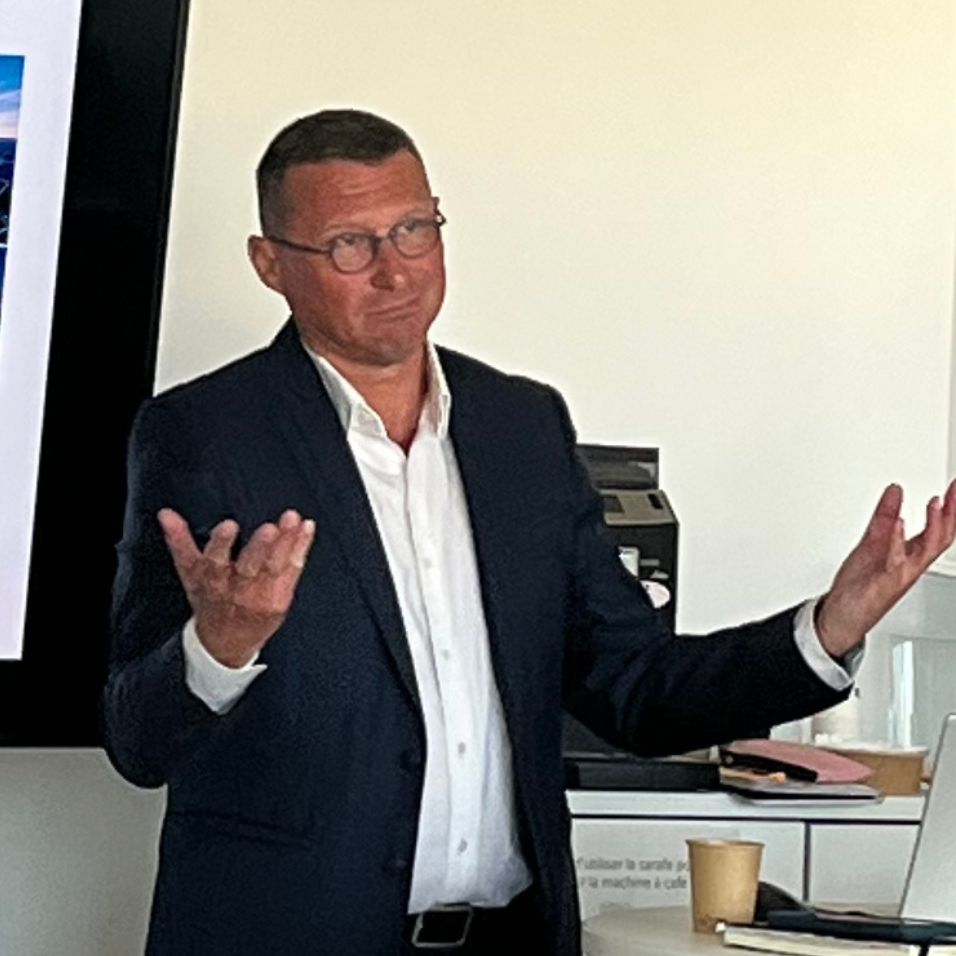
VP Group Innovation, Nexans
Direct current completely reshapes building design. It is only through co-innovation and collective work on real-life use cases that we will accelerate its industrial adoption.
Global Business Leader Innovation / Energy Transition, Schneider Electric
Connected lighting was the historical pioneer of direct current. Today, the entire electrical system of the building must take this step and adopt this technology.
Director Global Technology, Tridonic
In the face of growing stress on the public grid, Nexans plays a leading role in establishing a uniform framework and standards, which are essential for the massive deployment of DC.
President, Current/OS
AmpaCity: A real-world 700V DC microgrid pilot in Lyon
Developed with Schneider Electric and VINCI Energies, the AmpaCity DC microgrid is one of the first Current/OS pilots in France. It powers a 700 VDC main bus connected to workstations, lighting systems, a battery energy storage system, and two 30 kW EV fast-charging stations.
At the core of the system, Nexans’ DC Series range embodies a threefold promise:
- Quick: Seamless installation (Rip-cord stripping, Class 2 flexible conductor, Mobiway-compatible).
- Safe: Embedded inter-tripping wire for electrical protection and maximum fire safety (CPR Dca s2d2a2, halogen-free).
- Current/OS Compliant: Full compliance with Current/OS technical specifications, ensuring system interoperability.
800 VDC and data centers: Nexans’ next step
The AmpaCity microgrid will continue to evolve with the upcoming integration of photovoltaic solar panels to power the site.
Beyond commercial real estate, the technology validated in Lyon paves the way for 800 VDC architectures, essential to meet the colossal energy demands of AI-driven data centers, where rack densities now exceed 100 kW. By eliminating successive conversions in UPSs (uninterruptible power supplies) and PDUs (power distribution units), 800 VDC directly improves Power Usage Effectiveness (PUE), the industry’s standard measure of data center energy efficiency.
By reducing current levels, this 800 VDC architecture lowers copper requirements, lightens cabling infrastructure, decreases distribution losses, and limits energy conversions, thereby improving overall system efficiency.
To take efficiency a step further in the face of extreme power densities, Nexans combines 800 VDC distribution with High-Temperature Superconducting (HTS) cable technology, enabling power transmission with near-zero resistance and zero losses. By turning its research centers into real-world industrial demonstrators, Nexans is shaping the standards for a connected, resilient, and low-carbon world today.
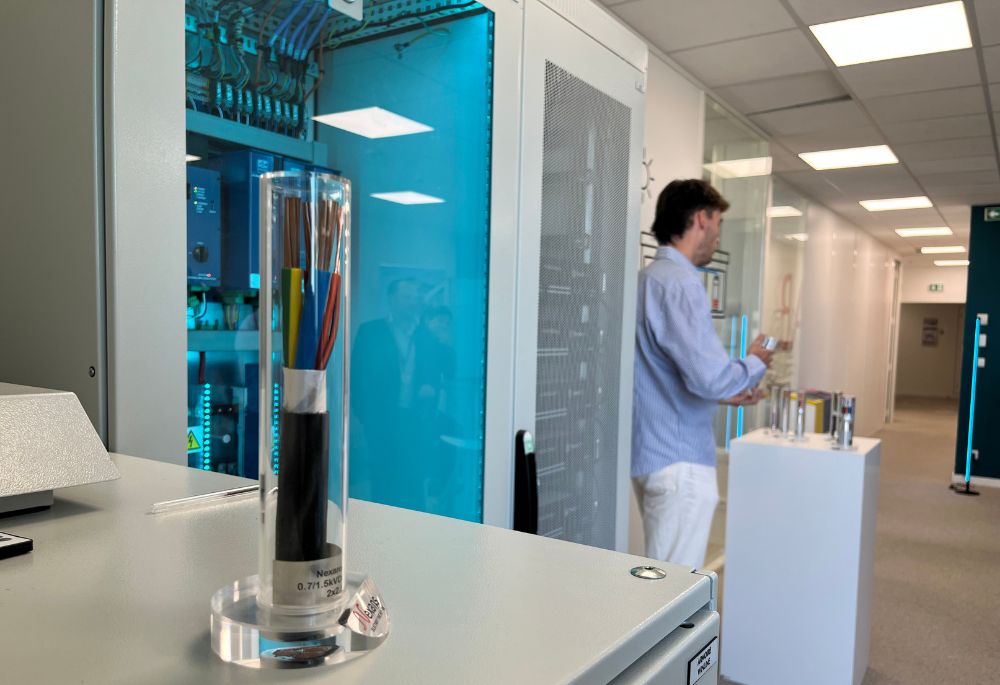
Direct current cables for data centers – demo
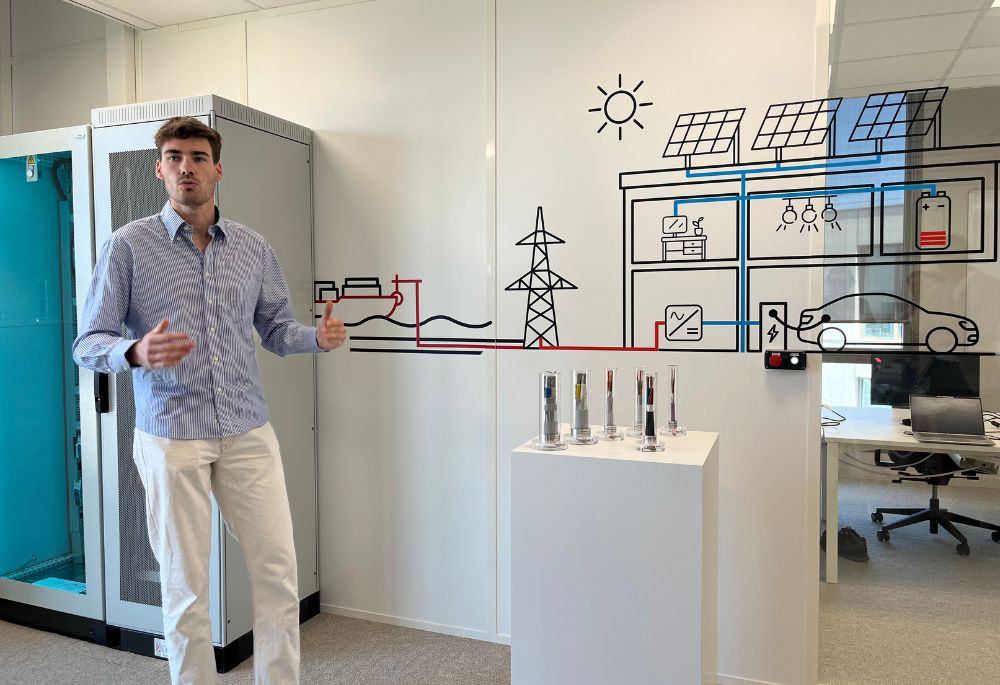
Direct current demo by Baptiste Meneguzzo
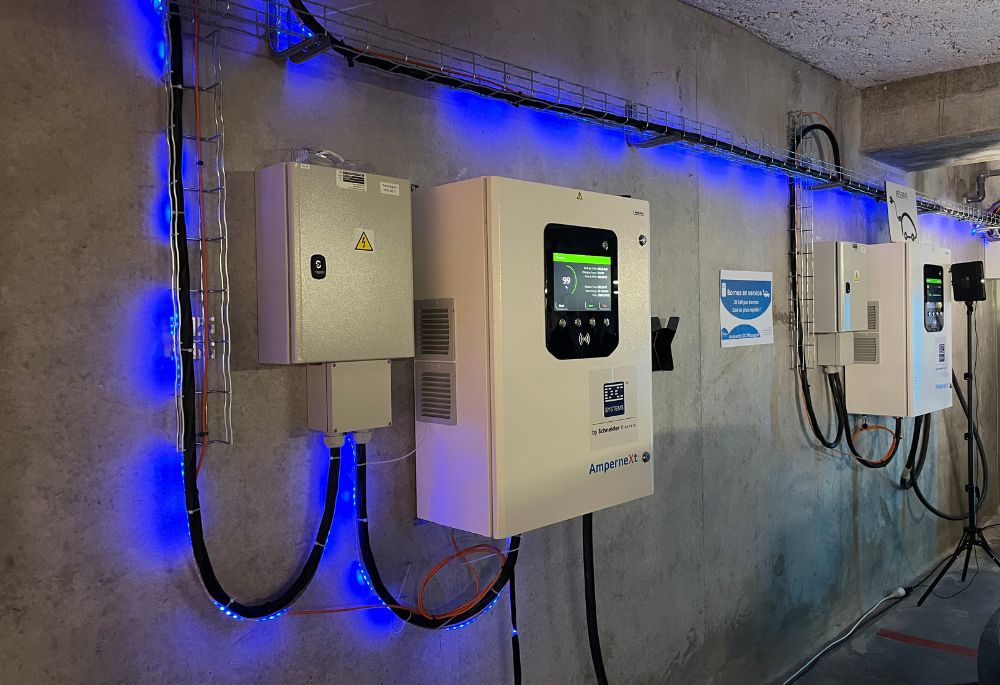
Direct current cables for electric vehicles charging stations
Our latest news
Innovation
16 September 2026
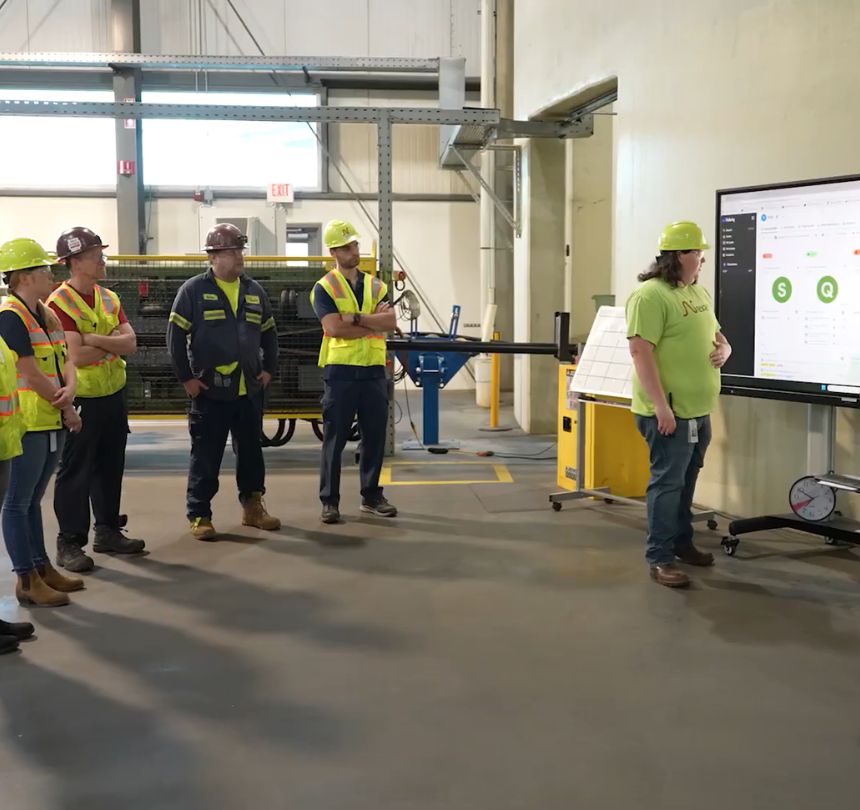
How Nexans transformed plant performance management globally by digitalizing operational discipline across 40 manufacturing sites. Digital transformation case study.