



The invisible backbone: 5 unsung innovations keeping wind and solar energy alive
Renewable energies
22/08/2025
Our comprehensive cabling solutions, services and strategic partnerships across the entire electrification value chain.
Our sustainability strategy integrates environmental responsibility, economic performance, and social engagement to pioneer a sustainable future in electrification.
For more than 120 years, we played a central role in providing electrification to the planet. We are determined to lead the way towards ab all-electric future.
Explore our up-to-the-minute news and press releases covering all aspects of our industry and beyond.
Learn about our employeesโ experience, our vision centered on sustainability, excellence, and growth, and explore our latest opportunities.
Our financial performance, strategic transformation, and sustainability-driven future, and learn why investing in our innovative cable systems and services can be a game-changer.
Explore our up-to-the-minute news and press releases covering all aspects of our industry and beyond.
Learn about our employeesโ experience, our vision centered on sustainability, excellence, and growth, and explore our latest opportunities.
Our financial performance, strategic transformation, and sustainability-driven future, and learn why investing in our innovative cable systems and services can be a game-changer.
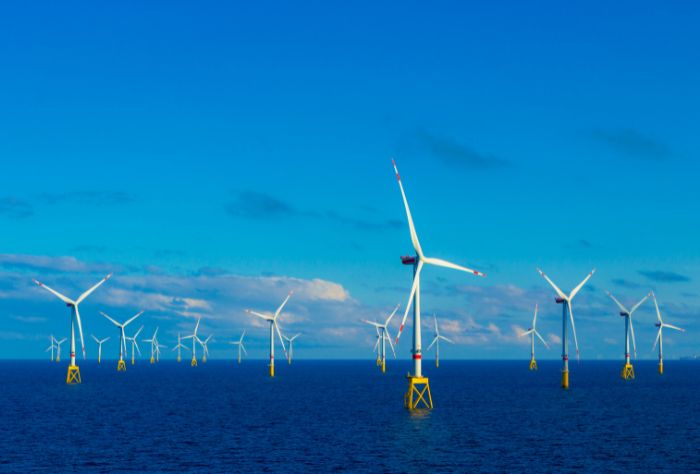
Offshore wind is one of the fastest-growing sources of clean energy on the planet. With global capacity surpassing 83 GW in 2024 and an ambition to reach 2,000 GW by 2050, the demand for reliable subsea power cables and transmission infrastructure has never been greater. Nexans has been an industry pioneer since the sector’s inception, and we’re accelerating alongside it.
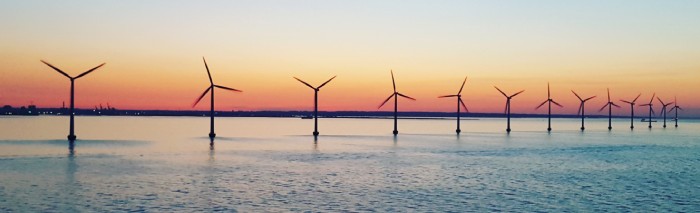
Offshore wind harnesses powerful, consistent ocean winds to generate electricity at scale. Turbines installed at sea produce up to twice the energy output of equivalent onshore installations, and the latest 15 MW+ turbines are pushing that advantage further. The IEA estimates that offshore wind alone could theoretically supply up to 18 times current global electricity demand.
83 GW
global offshore wind capacity by end 2024 (IRENA, 2025)
500 GW
offshore wind target by 2030 to meet climate goals (IEA / IRENA)
2,000 GW
global offshore wind ambition by 2050 (GOWA)
380 GW
new offshore capacity expected by 2032 (GWEC, 2025)
EU
304 GW
total installed wind, of which 39 GW offshore, in 2025 (WindEurope)
US
30 GW
offshore wind capacity goal by 2030 (DOE)
Despite exceptional momentum, the offshore wind sector faces structural challenges that require technical innovation, industrial scale-up, and strong supply chain coordination.
Nexans has been involved in offshore wind since the industry’s earliest days. Our inter-array and export cables powered Horns Rev in Denmark, the world’s first large-scale offshore wind farm, commissioned in 2002. Over more than 20 years, we have contributed to over 50 offshore wind projects across Europe and the United States.
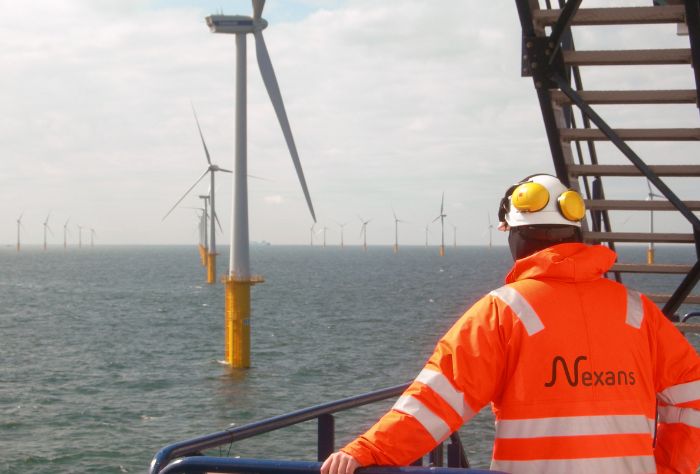
Turnkey EPCI solutions for export cables
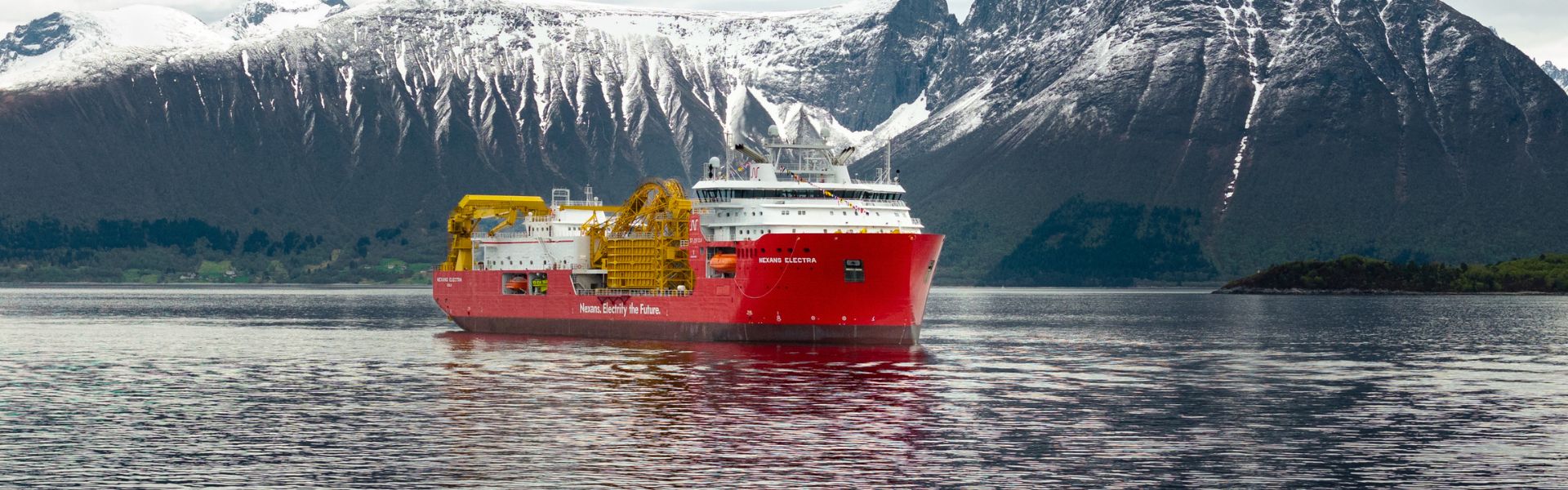
We act as EPCI contractor, managing engineering, procurement, construction, and installation, to minimize risk and complexity for developers and grid operators on export cable projects.
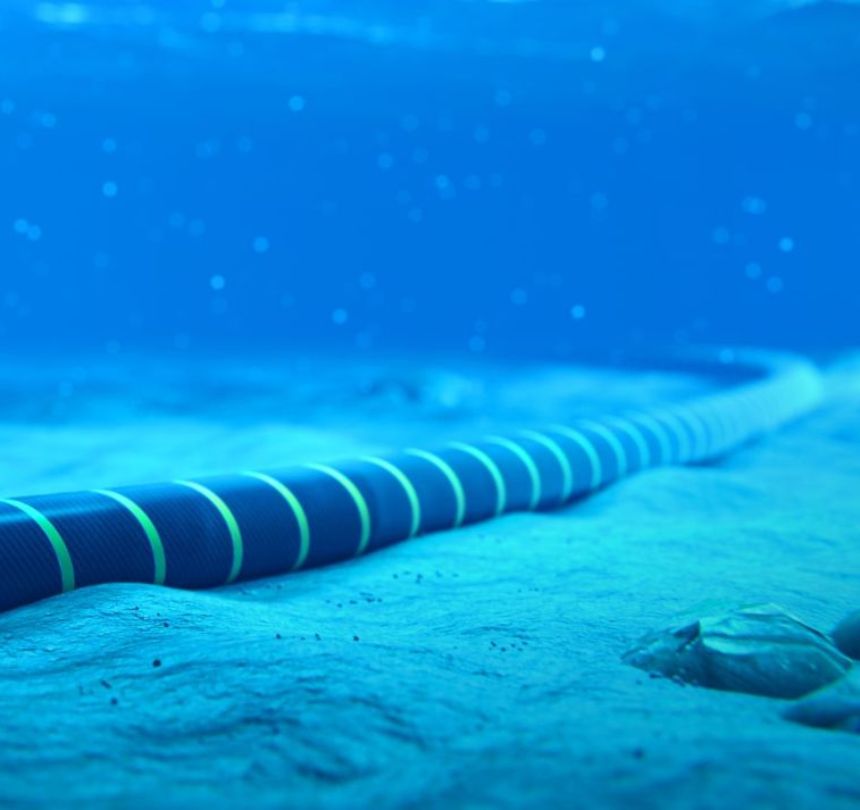
Advanced subsea cable systems
Nexans designs and manufactures high-voltage inter-array and export cables engineered for the harsh offshore environment, with specialized protection systems and installation methods.
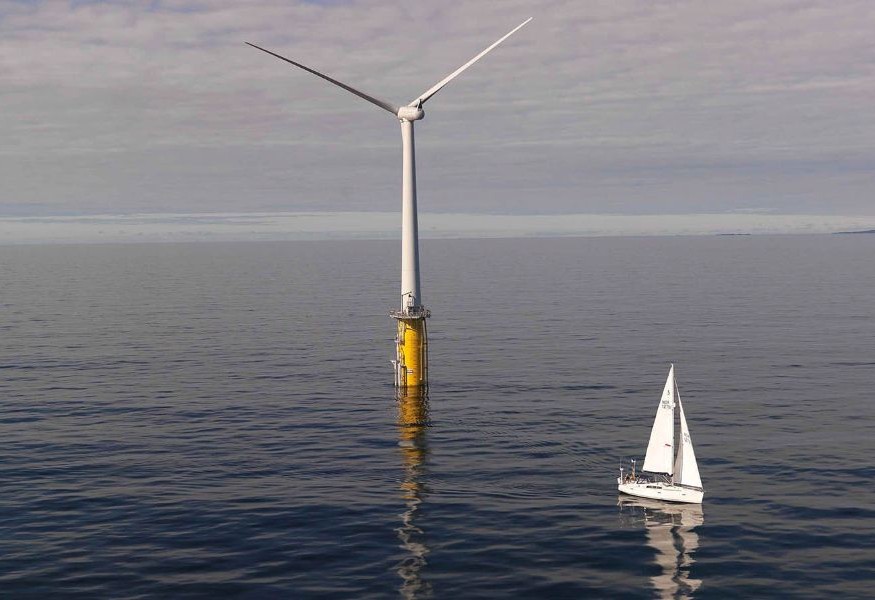
Floating offshore wind cable solutions
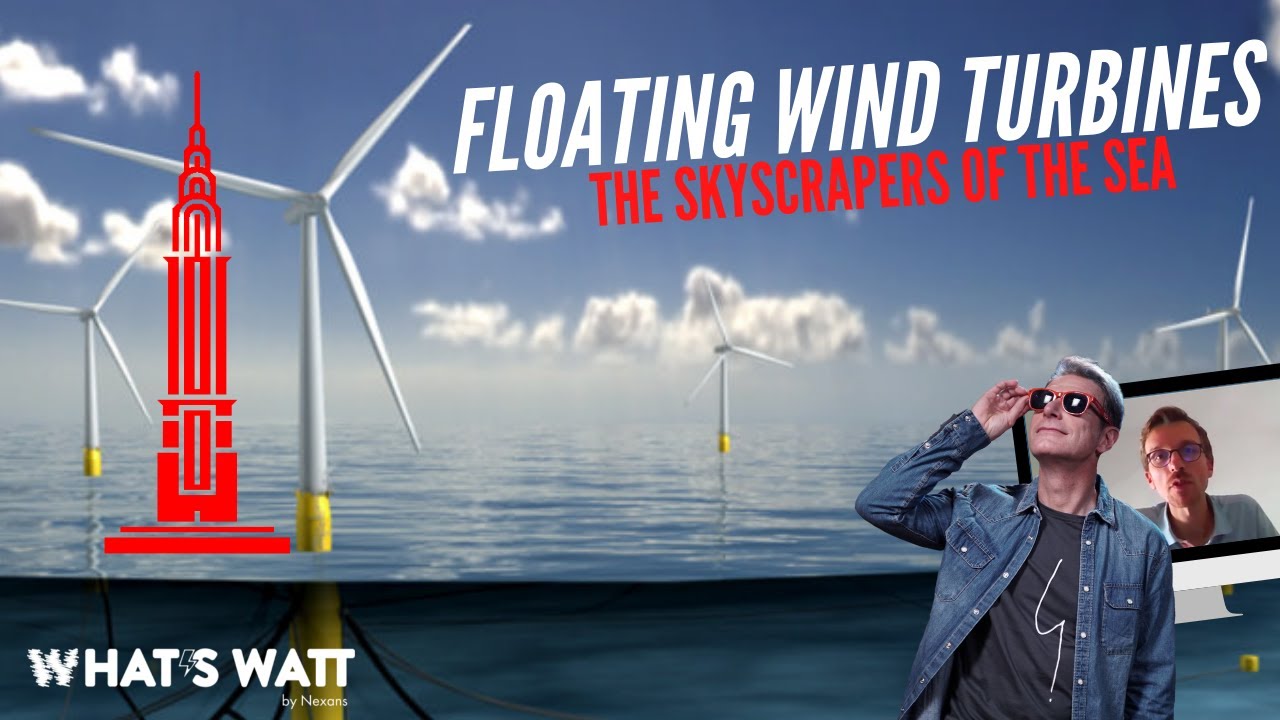
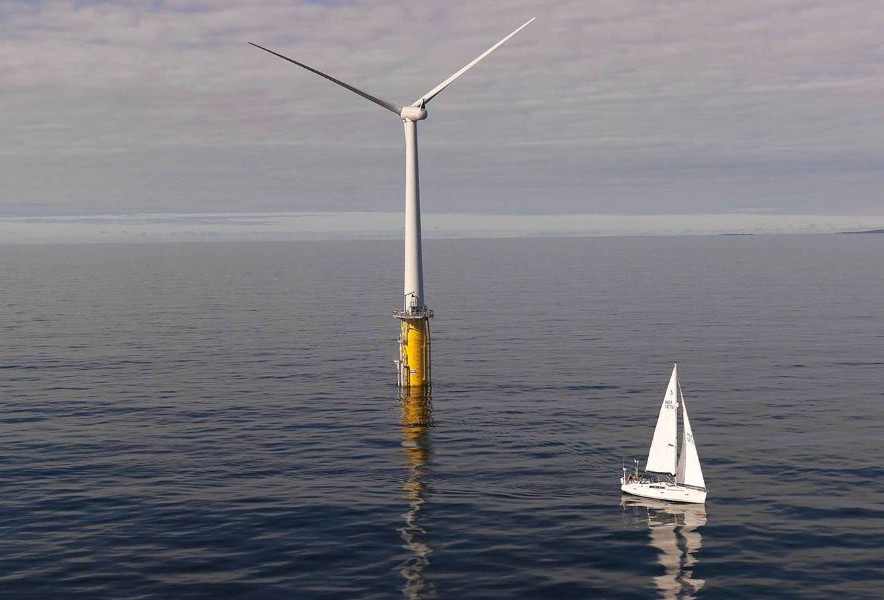
Purpose-built dynamic cable systems for floating wind installations, enabling deployment in deep-water regions.
Offshore wind is the most promising source of renewable energy. By developing its full potential, we will be able to supply huge amounts of power to the grid and decarbonize energy.

Markets & New Solutions Director, PWR Transmission, Nexans

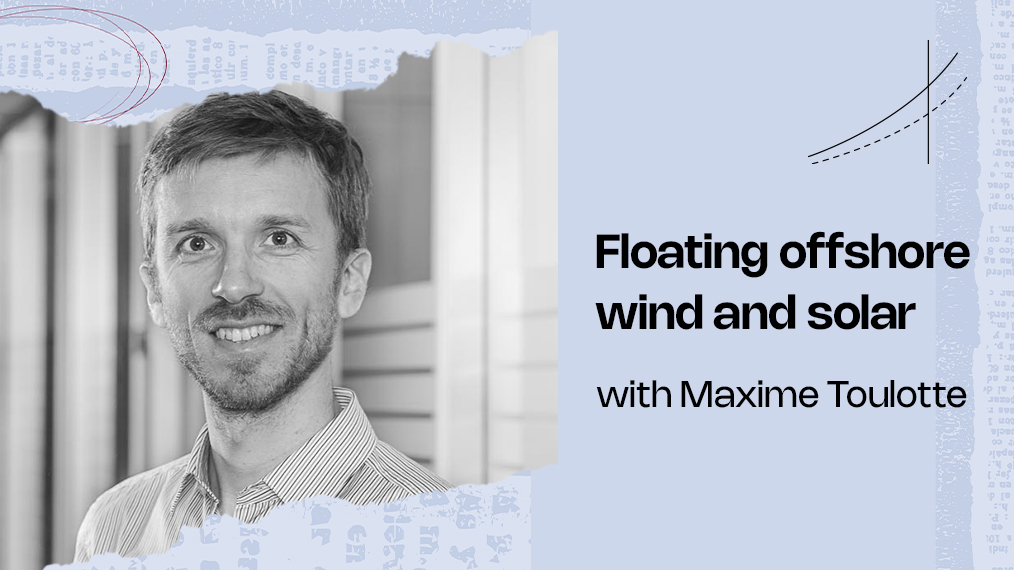
Offshore wind is not just a market for Nexans, it is a field where we push the boundaries of what cables can do. Dynamic cables for floating turbines, digital monitoring in deep waters, subsea infrastructure resilience: our experts share their analysis and perspectives on the future of offshore energy.
Article
Serie : Innovations in Accessories and Solutions
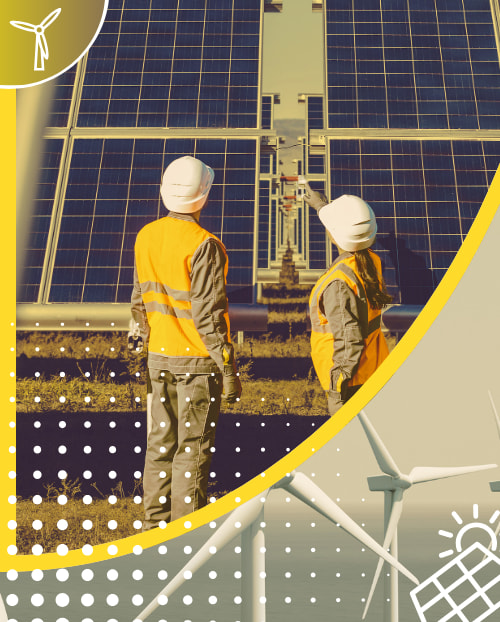
Renewable energies
22/08/2025
Article
Serie : Innovations for Electrical Transmission
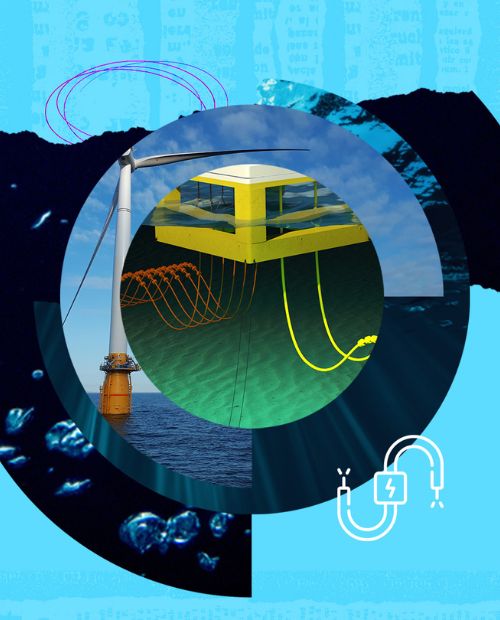
Renewable energies
10/07/2024
Article
Serie : Innovations for Electrical Transmission
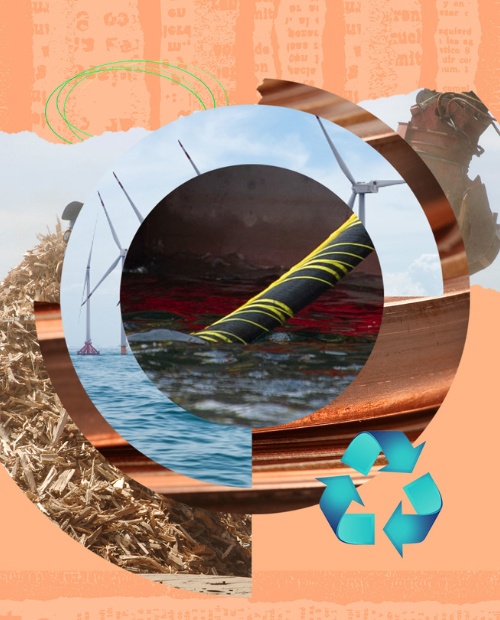
Renewable energies
13/06/2024
Article
Serie : Innovations for Electrical Transmission
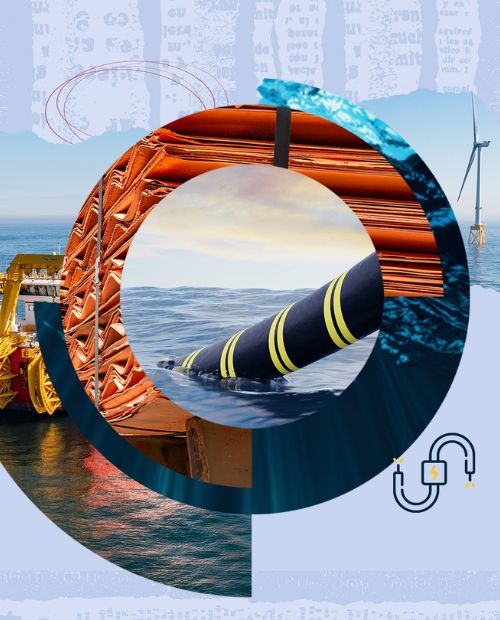
Renewable energies
23/05/2024
Article
Serie : 10 Technologies to Electrify the Future
Renewable energies
08/07/2022
It depends on the number and capacity of turbines. The Saint-Brieuc wind farm in France, for example, features 62 ร 8 MW turbines producing 1,820 GWh per year, enough to supply clean electricity to up to 835,000 people.
Offshore turbines are significantly larger than onshore models, benefiting from fewer visual and environmental constraints. Next-generation offshore turbines reach 15 MW with rotor diameters of 240 meters and blades over 110 meters long. The largest onshore turbines top out around 5โ6 MW. Because sea winds are stronger and more consistent, offshore turbines also produce roughly twice the energy per unit of installed capacity.
Electricity generated by offshore turbines flows through inter-array cables to an offshore substation, then travels via high-voltage subsea export cables to an onshore grid connection point. For longer distances, high-voltage direct current (HVDC) systems are increasingly used to reduce transmission losses. Grid interconnections and electricity storage help manage the intermittency of wind generation.
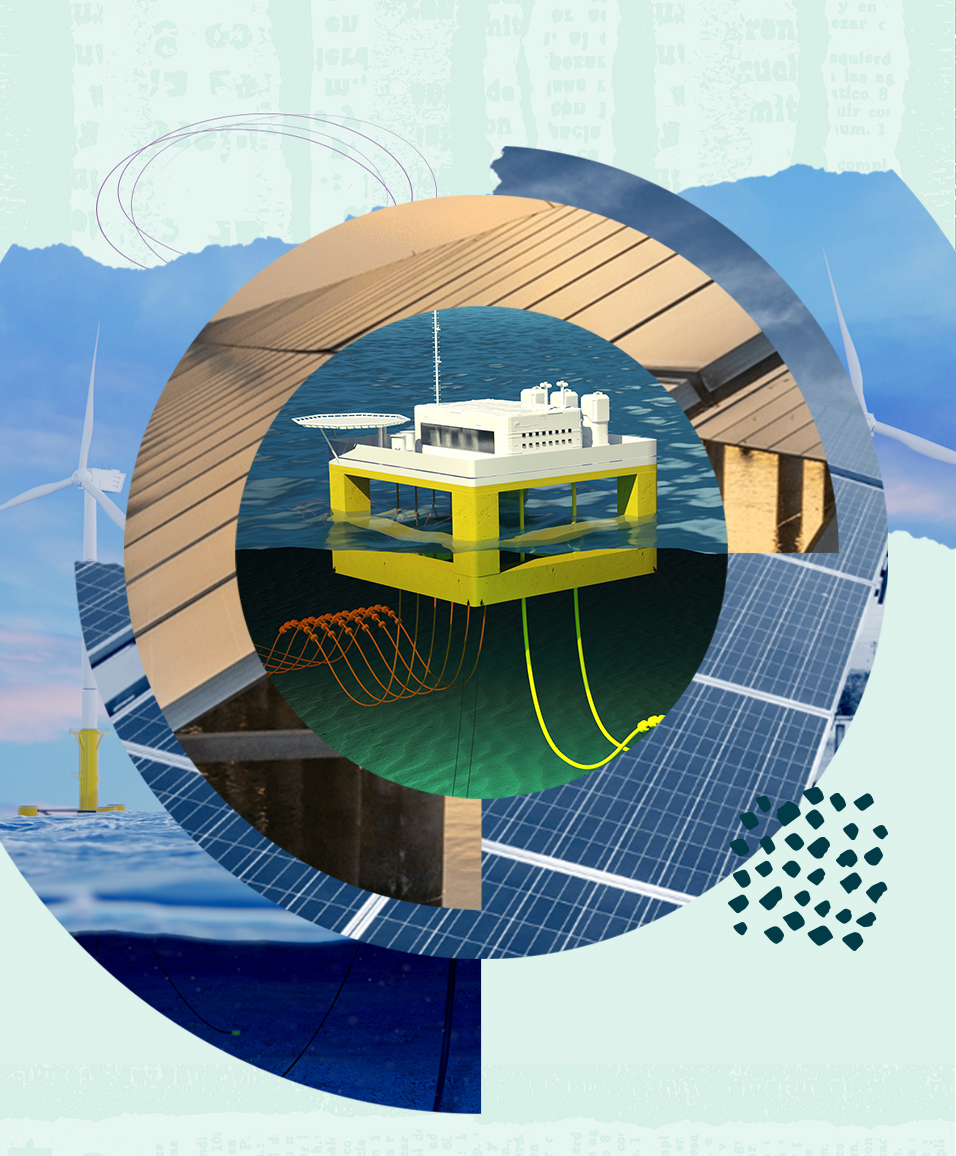
Floating offshore wind uses buoyant platforms moored to the seabed rather than fixed foundations, enabling installation in waters deeper than 60โ70 meters where fixed-bottom technology becomes impractical. This opens vast new areas, including the US West Coast, Mediterranean, and parts of Asia, to offshore wind development. Dynamic subsea cables designed to flex with the floating structure are a key enabling technology.
Yes, in most cases. Ocean winds are stronger, more consistent, and less disrupted by terrain or buildings. Offshore turbines also run at higher capacity factors, often 40โ50%, compared to 25โ35% for typical onshore installations. Combined with larger turbine sizes, this translates to significantly more electricity generated per unit of installed capacity.
Offshore wind projects drive substantial local economic activity. They require major investment in port infrastructure for manufacturing, staging, and maintenance. They create skilled jobs, from cable installation crews to operations technicians, and engage local subcontractors across civil engineering, logistics, and services. Communities hosting wind-related supply chain facilities also see lasting economic benefits beyond the construction phase.
Two main cable types are required. Inter-array cables connect individual turbines to the offshore substation, typically operating at medium voltage (33โ66 kV). Export cables carry bulk power from the offshore substation to shore at high voltage (132โ525 kV AC, or HVDC for longer distances). Both must withstand seabed installation forces, marine environments, and decades of continuous operation, making cable engineering and installation expertise critical.
Innovation
2:18
Innovation
2:18
Innovation
1:40
Climate Day
05:01 MIN
Climate Day
1:16:38 H
Innovation
7:18
| Cookie | Duration | Description |
|---|---|---|
| cookielawinfo-checkbox-analytics | 11 months | This cookie is set by GDPR Cookie Consent plugin. The cookie is used to store the user consent for the cookies in the category "Analytics". |
| cookielawinfo-checkbox-functional | 11 months | The cookie is set by GDPR cookie consent to record the user consent for the cookies in the category "Functional". |
| cookielawinfo-checkbox-necessary | 11 months | This cookie is set by GDPR Cookie Consent plugin. The cookies is used to store the user consent for the cookies in the category "Necessary". |
| cookielawinfo-checkbox-others | 11 months | This cookie is set by GDPR Cookie Consent plugin. The cookie is used to store the user consent for the cookies in the category "Other. |
| cookielawinfo-checkbox-performance | 11 months | This cookie is set by GDPR Cookie Consent plugin. The cookie is used to store the user consent for the cookies in the category "Performance". |
| viewed_cookie_policy | 11 months | The cookie is set by the GDPR Cookie Consent plugin and is used to store whether or not user has consented to the use of cookies. It does not store any personal data. |