





Nexans takes climate action
Reducing our environmental impact is a top priority. To reduce the carbon footprint of the cable industry, over the entire cable life cycle, we at Nexans offer our customers innovative, connected and low-carbon products and services that help limit global warming:
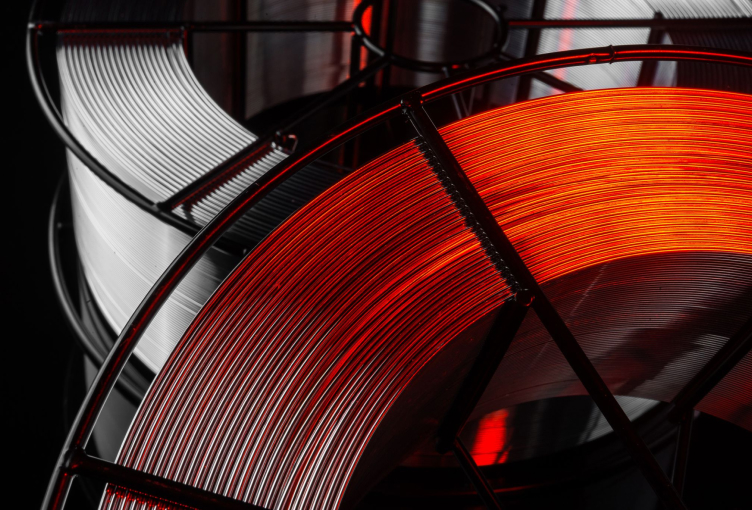
- a new material with recycled aluminum content to reduce the carbon footprint of electrical cables;
- a range of low-carbon distribution cables that reduce greenhouse gas emissions by 35% to 50%, depending on the product;
- a chemical safety program with an annual target for eliminating dangerous substances.