


- Production in Halden marks the first industrial-scale manufacturing of Nexans’ 525 kV HVDC XLPE subsea cable technology and the start of the delivery phase for LanWin2.
- Start of manufacturing for LanWin2 signals the transition from qualification to large-scale delivery under the TenneT Frame Agreement.
- Projects remain on schedule as Nexans and TenneT advance critical infrastructure for Europe’s energy transition.
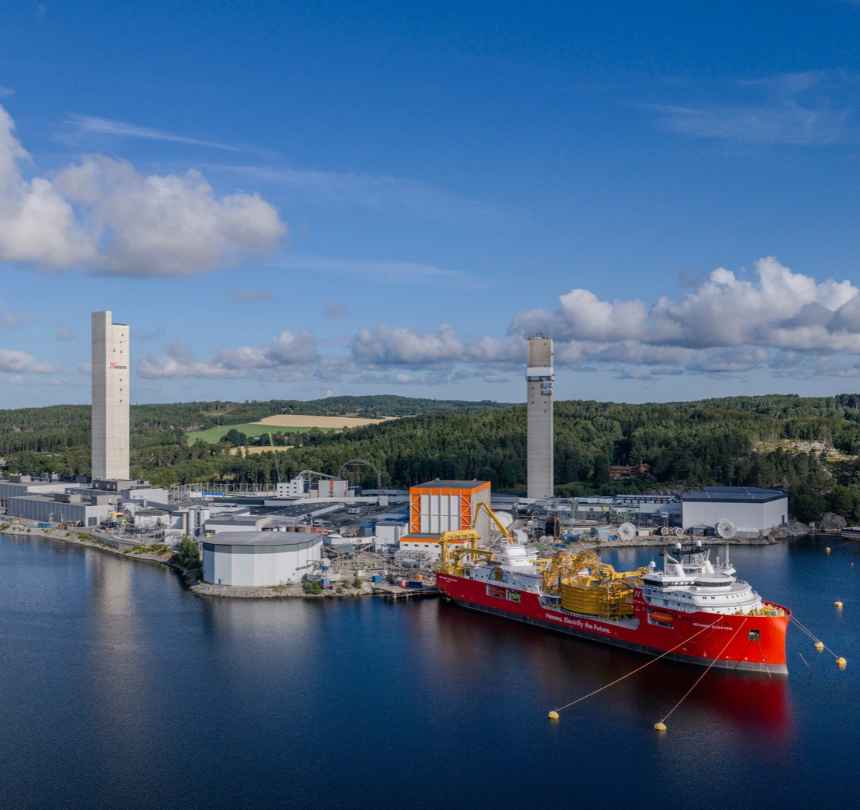
Nexans, a global leader in electrification, and TenneT, a leading European TSO, have marked the start of subsea cable production for the LanWin2 offshore grid connection project at Nexans’ facility in Halden, Norway.
The milestone marks the first industrial-scale production of Nexans’ 525 kV HVDC XLPE subsea cable technology and the beginning of the delivery phase for LanWin2. The project will connect offshore wind generation in the German North Sea to the country’s transmission grid, supporting the integration of large-scale renewable electricity into Germany’s future energy system.
The start of manufacturing follows the successful qualification of Nexans’ 525 kV HVDC XLPE cable technology and marks its transition from qualification and engineering to large-scale delivery under the companies’ long-term partnership. It also demonstrates the readiness of Nexans’ next-generation HVDC cable system for large-scale deployment across Europe’s energy transition projects.
LanWin2 is one of TenneT’s major offshore grid connection systems designed to integrate renewable energy from the North Sea into the German power grid. The project will utilize Nexans’ 525 kV HVDC XLPE subsea cable technology, enabling the efficient transmission of large volumes of renewable electricity over long distances.
This milestone marks the transition from qualification to full-scale manufacturing and delivery. Starting industrial-scale production of our 525 kV HVDC XLPE subsea cable at industrial scale demonstrates the strength of our technology, our manufacturing capabilities, and our commitment to supporting Europe’s energy transition.

EVP of PWR-Transmission, Nexans
The start of production also demonstrates the progress achieved under the strategic partnership between Nexans and TenneT. The frame agreement was established in 2023 as a long-term approach to secure supply chain capacity, provide planning certainty, and accelerate the delivery of the transmission infrastructure needed for Europe’s energy transition.
For TenneT, the project represents another important step toward realizing Germany’s offshore wind ambitions and strengthening the reliability of the future energy system.
The start of cable production for LanWin2 is an important milestone for the project and for our 2 GW programme as a whole. Together with Nexans, we are moving from planning and qualification into industrial-scale delivery. Long-term partnerships like this give us the supply-chain capacity and planning certainty we need to deliver the offshore grid infrastructure for Germany’s energy transition.
Head of Investment Projects Management & Support, TenneT
The cables will be installed as part of the LanWin2 offshore grid connection project, which is expected to be commissioned in 2031. The production milestone also demonstrates the readiness of Nexans’ 525 kV HVDC XLPE technology for other projects under the TenneT frame agreement, including BalWin3, where cable installation activities in the Wadden Sea and nearshore areas are planned for 2027.
The LanWin2 and BalWin3 projects remain on schedule and continue to demonstrate the momentum of TenneT’s large-scale offshore grid expansion program.