









Electrifying data centers
AI, cloud computing and high-performance workloads are pushing data center power requirements to multi-hundred-megawatt and gigawatt scale. Rising power density brings heat, efficiency and sustainability challenges, and operators are having to rethink electrical architectures to move more power over longer distances while limiting energy losses.
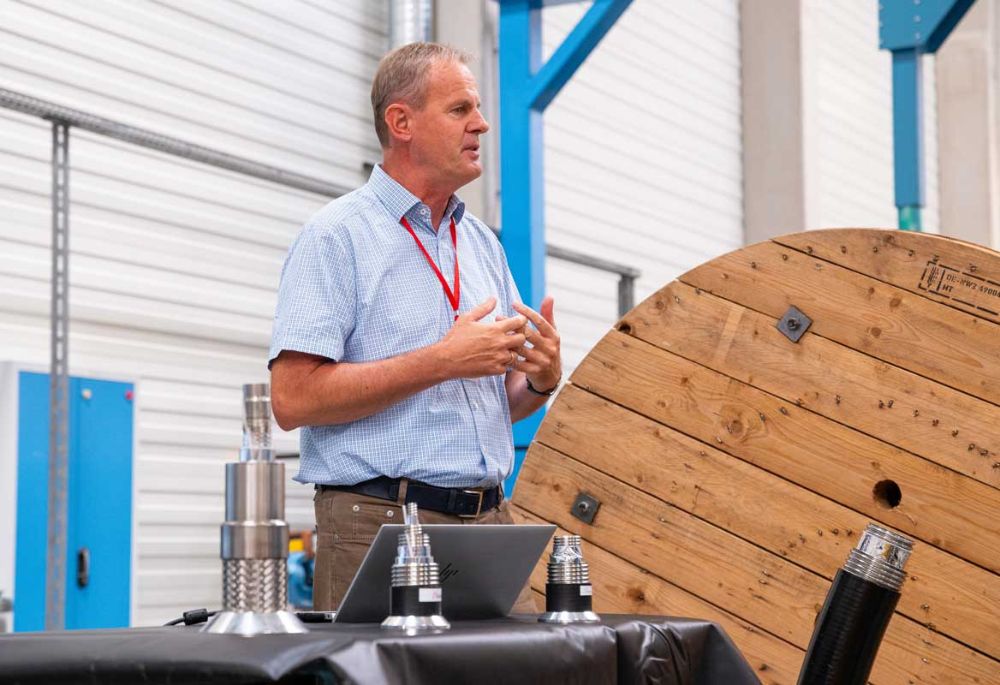
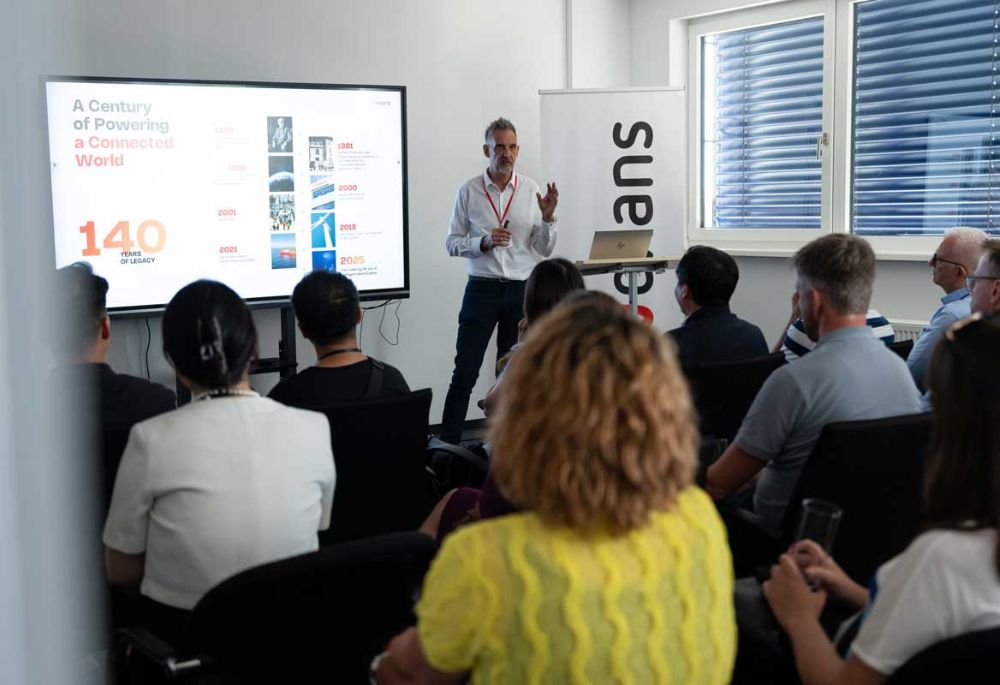
In his presentation on data centers and energy infrastructure, Yann Duclot explained why conventional cable systems are struggling to keep up. Distributing power across a large campus takes a huge amount of infrastructure. Civil works and installation drive up cost and delays. Resistive cables generate energy losses and heat. Space constraints limit how far a site can scale. HTS cables address these issues directly. They can carry up to ten times more power than conventional cables in a footprint up to ten times smaller, with zero energy loss and no electromagnetic emissions, which suits the tight, high-density layouts of modern data centers.
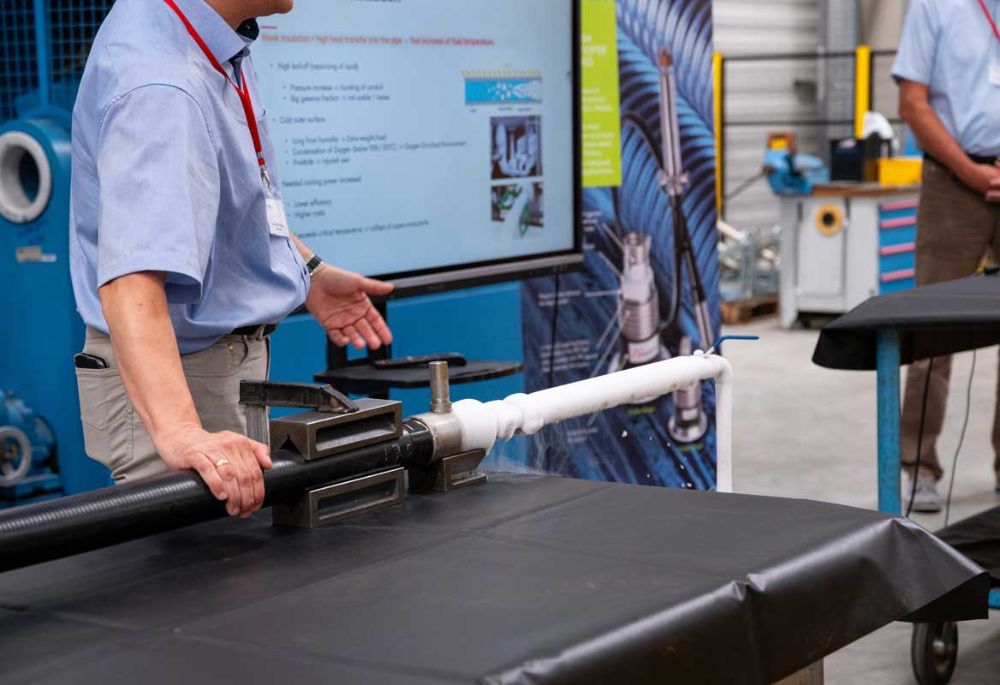
Nexans pointed to its industrialized HTS cable systems as evidence the technology is already commercial. The range covers low to high voltage, in both AC and DC, from 480 V to 275 kV and up to 320 kV. The offer includes a turnkey system covering the liquid nitrogen cooling plant, cables and accessories, and it is backed by projects that have already validated performance in real operating conditions.