Low-carbon program

Transparency of environmental data and low-carbon program

low carbon program cover

In light of the climate emergency and the accelerating global energy transition, measuring and reducing the carbon footprint has become a strategic lever for transforming electrical infrastructure. With its Low-Carbon Program, Nexans has implemented a comprehensive approach aimed at measuring, highlighting, and improving the environmental performance of its cables and electrification solutions.

Revealing what truly matters: environmental performance of cables

This groundbreaking program is based on the principle of environmental data transparency to encourage customers to make sustainable choices:

  • Shared and reliable data, available for all product references
  • A clear display of the environmental performance of cables
  • The low-carbon product range: a guarantee of a reduced carbon footprint.

Based on third-party verified Life Cycle Assessments (LCA), Nexans provides reliable information to assess the environmental impact of its products and thus guide customers toward sustainable choices by opting for the low-carbon product range, which guarantees a reduced carbon footprint.

In this context, the Group has developed an online COโ‚‚ data display, accessible directly from the web pages of products featuring a verified LCA. A pioneering initiative in the cable industry that helps enhance the transparency and comparability of the environmental performance of Nexans products. A true catalyst for low-carbon innovation, the Low-Carbon Program is part of a strategy for continuous improvement of product sustainability performance.

25 %

recycled copper in Nexans low-carbon cables worldwide by 2028

70 %

of Nexans cables sold are covered by PEP environmental declarations*

Up to

40 %

reduction in carbon emissions with Nexansโ€™ low-carbon cable range

* Share of revenue from products sold with PEP declarations in Europe and North America in 2025.

Understanding a cableโ€™s environmental footprint

A cableโ€™s environmental footprint corresponds to the total environmental impacts generated throughout its life cycle, from the extraction of raw materials to the treatment of the product at the end of its life.

To measure these impacts, Nexans uses the globally recognized and standardized Life Cycle Assessment (LCA) method. This approach enables a multi-criteria evaluation of the environmental impacts associated with the various stages of the productโ€™s life cycle.

The results of these analyses are verified by independent organizations and published in the form of Product Environmental Profile (PEP) declarations, serving as a reference for stakeholders in the construction and electrical infrastructure sectors.

An evaluation method based on life cycle assessment

The life cycle assessment of a cable is divided into five main phases:

  1. Procurement: Extraction, processing, and transport of the raw materials needed to manufacture the cable.
  2. Manufacturing: Industrial processes that transform materials into finished products at production sites.
  3. Logistics & Distribution: Transport and distribution of the cable from factories to installation sites.
  4. Use: The period during which the cable is integrated into infrastructure and performs its function of transmitting energy.
  5. End of life: Management of materials when the product reaches the end of its useful life, including reuse, recycling, or recovery.

A comprehensive approach that takes into account nearly thirty environmental criteria, including the carbon criterion – a globally standardized and harmonized indicator used to assess greenhouse gas emissions generated at each stage of the cableโ€™s life cycle and thereby identify opportunities for environmental improvement.

A unique program in support of low-carbon innovation

The Low-Carbon Program is a continuous improvement approach aimed at reducing the environmental footprint of Nexans products, an initiative aligned with the Groupโ€™s strategy while accelerating industrial innovation.

Rolled out globally, it is covering Nexans products with a published LCA in the form of a Product Environmental Profile (PEP) declaration, verified by a third party.


logo PEP Ecopassport

Ecopassportยฎ PEP declarations

PEP declarations are supported by the PEP Ecopassportยฎ organization, ensuring a consistent and recognized methodology, particularly in the building sector. As a founding member of the PEP program, Nexans has been publishing rigorous environmental declarations for over 15 years.

Access the standardized sheets

By making this data accessible, Nexans contributes to:

  • Improving the transparency of environmental data in the electrical industry,
  • Facilitating the integration of carbon criteria into infrastructure projects,
  • Supporting sustainable construction and low-carbon electrification strategies.

Verified and easily accessible environmental data

To facilitate access to environmental information, Nexans offers a synthesized display of environmental indicators that can be accessed directly online from product pages featuring a published and verified LCA in the form of a PEP declaration.

This display is based on three principles:

  • A simplified display of data, easily accessible on the web pages of all products with a third-party verified LCA;
  • Reliable and structured data derived from the life cycle analysis of the product in question;
  • Enriched indicators, allowing users to assess a productโ€™s environmental performance at a glance through 4 key indicators.

More than an information, Nexansโ€™ display of environmental data is a commitment to producing differently, with greater transparency to support responsible purchasing practices.

Reducing the carbon footprint of cables: the main levers

Life cycle assessments show that the majority of a cableโ€™s carbon emissions come from the production of metal conductors, particularly copper and aluminum.

To improve the environmental footprint of its cables, Nexans is implementing several industrial strategies:

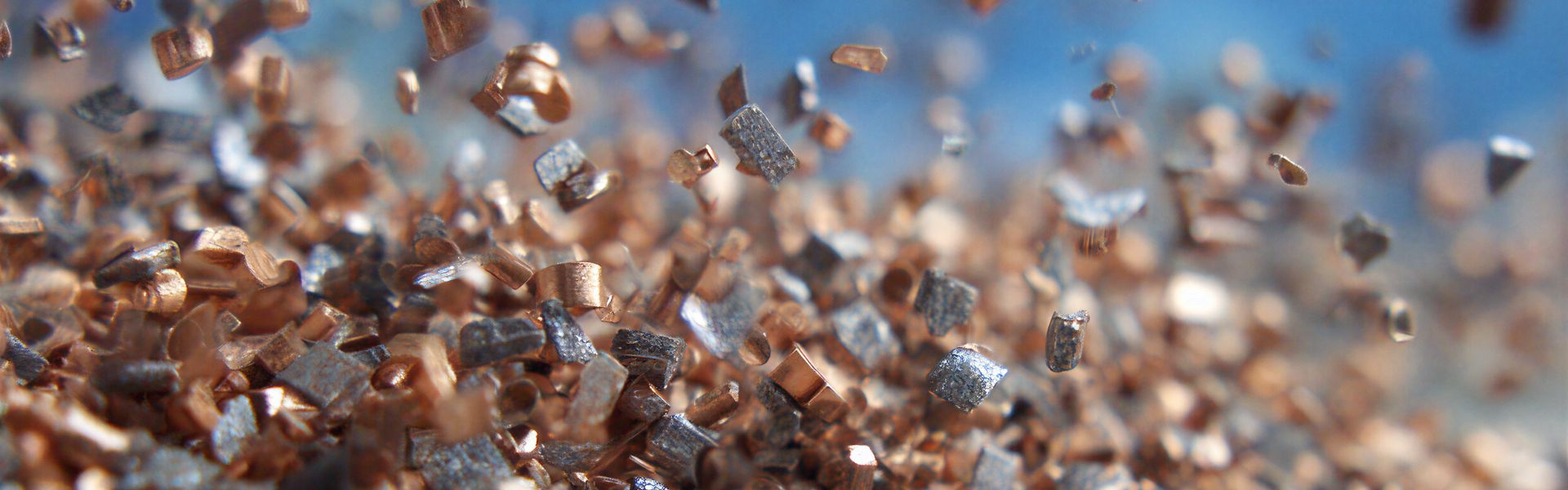
Integration of recycled metals

The integration of recycled copper and aluminum into the metal conductors significantly reduces the environmental footprint of the cables while maintaining technical performance.

The Group is developing supply chains and industrial processes to gradually increase the proportion of recycled materials used in the production of new cables.

Low-carbon aluminum sourcing

Nexans uses aluminum produced with a low-carbon energy mix (nuclear, solar, hydroelectric, etc.). In France, all aluminum cables are made from lowโ€‘carbon aluminum.

low carbon picto

The Nexans low-carbon product range: a guarantee of improved environmental performance

As part of the Low-Carbon Program, Nexans identifies products in its low-carbon range with the โ€œLow-Carbonโ€ symbol, visible on online product sheets, making it easy to identify cables whose carbon footprint has been optimized through the implementation of one or more of the following levers:

  • The integration of at least 10% recycled copper or aluminum,
  • Sourcing 100% low-carbon aluminum*.

* Aluminum with an environmental footprint equal to or less than 7.3 tCO2 eq/t of aluminum, representing a 15% reduction compared to the European average (8.6 tCO2 eq/t of aluminum) – [Source: European Aluminium Association โ€“ February 2018 โ€“ Environmental Profile Report].

Thus, identifying the low-carbon product range helps guide customers toward electrification solutions with reduced environmental impact and supports the sustainable transformation of electrical infrastructure.

FAQ