To electrify the future,
we must stop mining the past
Circular economy
23 June 2026
4 min
Future of cable is low carbon and circular

Why low-carbon cables, the circular economy and recycled copper have become the strategic foundations of electrification, and what our new position paper sets out to prove.

By 2030, copper demand is set to outrun what the world can produce. The gap is structural and designed to last.

The raw materials wall in numbers

Demand 2030

40 Mt

Capacity 2030

33 Mt

10 Mt

of new supply needed in a decade

Global copper demand could reach 40 million tons by 2030, while production capacity is expected to cap at around 33 million tons. The world needs to add 10 million tons of supply within ten years, growth that previously took closer to twenty-five.

This is where our 2026 position paper, Recycling, Circular Economy & Low-Carbon Products, begins. Its argument: the way past the raw materials wall is to electrify circularly, with low-carbon cables, recycled copper, and a business, a model that focuses on the reuse of materials.


A challenge that goes beyond copper

Electrification is the backbone of the energy transition. Smart grids, renewable energy and electric mobility all require massive, sustained infrastructure deployment, and that infrastructure runs on metal. The linear “extract-produce-dispose” model that has supplied it is now obsolete, and increasingly a threat to energy security.

By 2035, global installed mining capacity will have reached its limits, bringing price volatility and structural risks of supply disruption. Most of the carbon footprint of a power network is also “embedded” upstream, in the extraction and processing of metals, long before a cable is ever installed. Regulatory pressure is intensifying at the same time, with growing demands for transparency on the carbon impact and circularity of products.


The circular economy as an industrial strategy

At Nexans, tomorrow’s electrification must be industrially sovereign, low-carbon and circular. We treat the circular economy and decarbonization as catalysts of electrification, integrated into the heart of our industrial strategy.

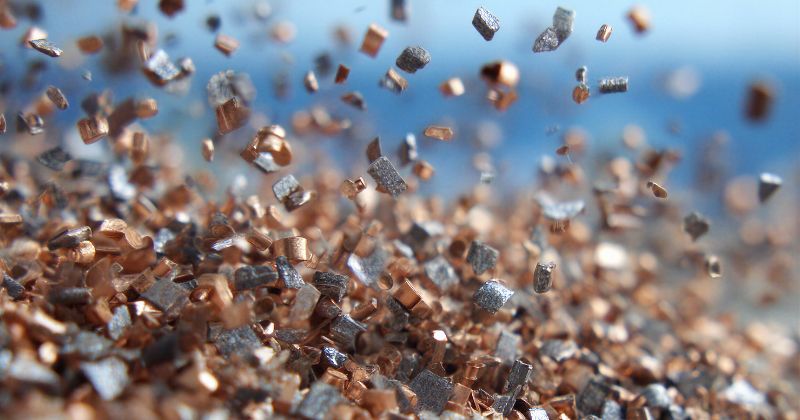
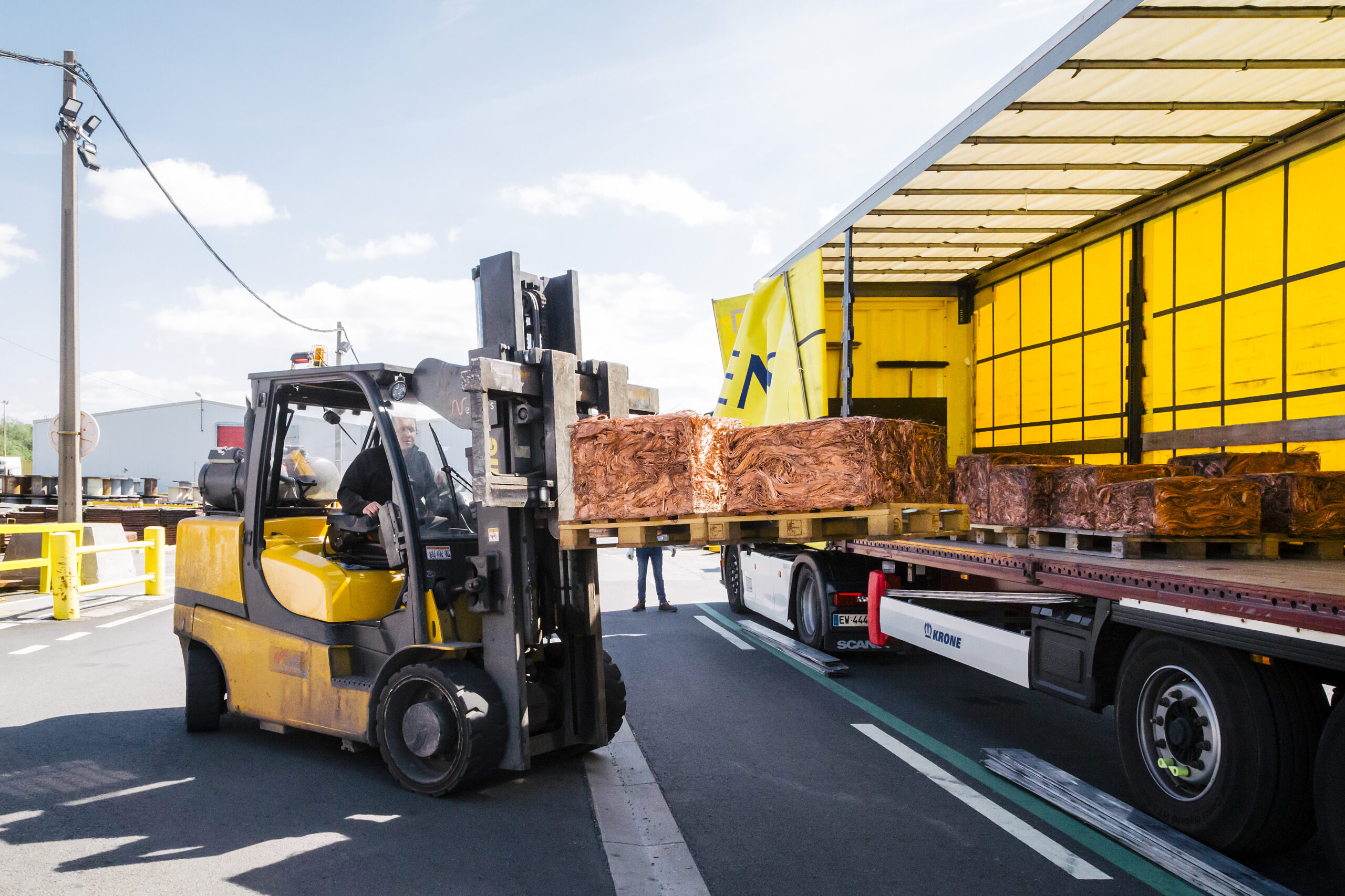
Because our vertical integration reaches down to our own foundries, where metal is melted and recast, we can recycle copper and aluminum in-house and treat recycling as a core industrial strategy rather than a compliance requirement. End-of-life copper recovered from “urban mines” becomes a strategic resource: it feeds our refining processes and reduces our reliance on virgin copper imports.

These commitments follow a quantified trajectory: 25% recycled copper in our cables by 2028, and net-zero emissions by 2050. The wider climate strategy and commitments behind those targets are set out on our site.

Three pillars for circular electrification

1. New loops, new sources

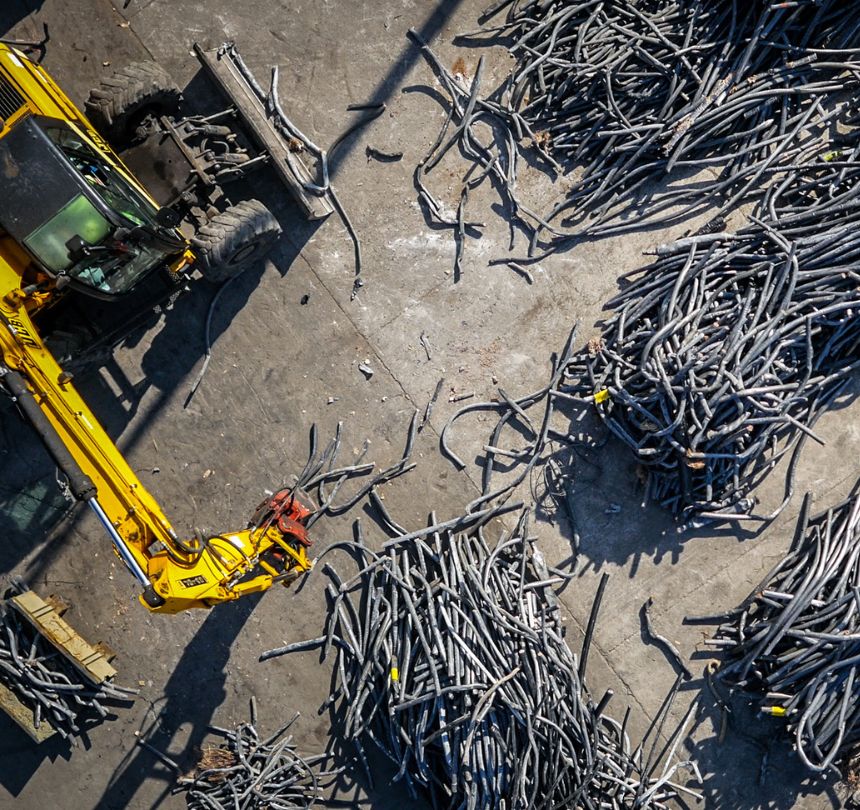
Our CableLoop service collects scrap and obsolete cables from sites and distributors and recycles them with full traceability. With RTE, we built a closed loop that puts aluminum from dismantled high-voltage cables straight back into the grid.

2. Integrating recycled materials

Metal conductors are 70-90% of a cable’s cradle-to-gate carbon footprint, making recycled copper and aluminium the most effective decarbonization lever. The same discipline extends to insulation: 13,000 tons of polymers recycled a year.

3. Low-carbon ecosystems

Through our Low-Carbon Program we give customers verified environmental product data to make sustainable choices and feed their own carbon reporting. Our partnership with Enedis shows the shift underway at scale.

Julien Hueber

Nexans has placed sustainability and responsible growth at the heart of its strategy. Through circular economy initiatives and low-carbon innovation, Nexans is building resilience, creating stakeholder value and accelerating the global energy transition.

Julien Hueber

CEO, Nexans

Responsible “dual sourcing”

Electrification will shape the coming decades, and its success will depend as much on its speed and scale, as on our ability to reconcile growth with responsibility. The position paper makes a clear recommendation: maintain an ethical primary supply while massively increasing the share of secondary materials from recycling.

Today’s waste is tomorrow’s growth. The full case for treating it that way is set out in the position paper.

Inside the position paper

The full argument, open access.

This article covers the headlines. The paper goes further, and there’s no form to fill in.

  • The full data behind the copper supply gap and the 2035 capacity ceiling.
  • Our response to the two objections to recycled cables: performance, and scale.
  • The E3 model that turns resource management into a profitability lever.
  • The RTE closed-loop case and the CableLoop traceability model in detail.
  • The complete framework for responsible dual sourcing.

9 pages · Free · No registration

Nexans cables

Position paper

Recycling, Circular Economy & Low-Carbon Products

Download the position paper
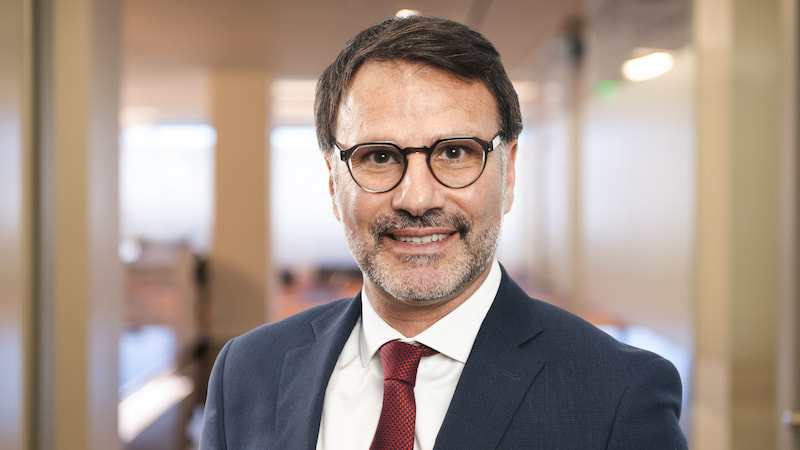
David Grall, Vice-President Sustainability & Corporate Transformation - Nexans

Author

David Grall is Vice President of Sustainability and Corporate Transformation at Nexans, bringing over 25 years of experience in finance and strategic leadership. For the last 3 years, he is  instrumental in embedding sustainability into Nexans’ core operations, aligning economic performance with environmental responsibility and stakeholder engagement. David’s commitment is evident in the seamless integration of the 3 dimensions into the Nexans business performance model. David Grall has extensive experience in aligning financial strategies with sustainable practices and I am dedicated about aligning global strategy, finance and corporate responsibility to ensure the success of the organization.

Keep exploring