The compliance cost of getting it wrong: 12 standards, 50 to 80 references, one project
A data center project in France involves navigating a minimum of 12 applicable cable standards, including CPR classification, IEC performance standards, NF local norms, and LSZH fire safety requirements for enclosed environments. A single cable reference that does not comply with the applicable standard for its installation context does not generate a site note. It generates a rejection, a replacement order, a recalculation of pulling forces, and a delay that compounds against every downstream installation sequence.
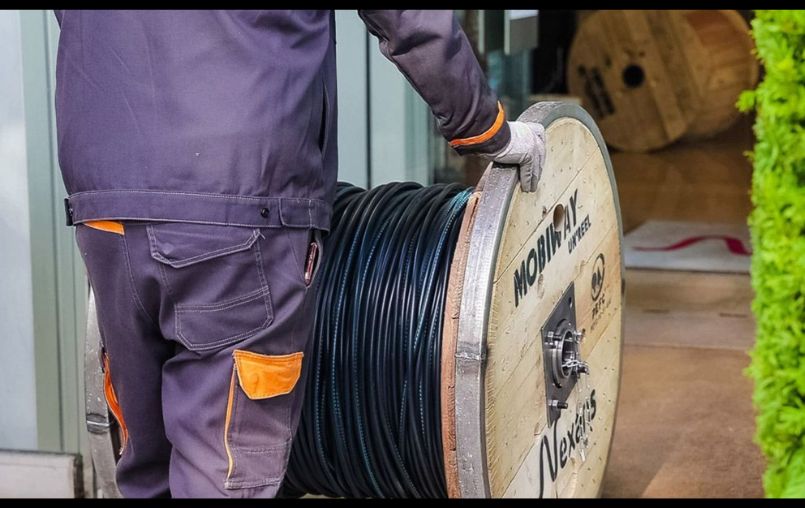
The MV cable scenario is instructive. A data center operator in France specified MV cables based on a recommendation from a British engineering firm. The specification was technically sound in a UK normative context. It was not adapted to French installation conditions, where underground ducting geometry, local grid interface standards, and civil works contractor practices differ materially from UK equivalents. The cables arrived on site. The installation team could not pull them. The operator contacted Nexans for an emergency technical assessment, pulling force calculations, and a replacement product validation. The Nexans team delivered the analysis and secured the alternative specification. The project continued.
This scenario is not rare. It is what happens when multi-jurisdiction projects are managed without a cable partner who holds a global portfolio and local normative expertise simultaneously. Nexans’ multi-standard capability, covering CPR, IEC, NEC, and national derivatives across 50 countries, is not a product feature. It is a project risk elimination tool.